Twelve drawings a second, on purpose.
Most of a broadcast episode runs on twos — every drawing held two frames, twelve unique images a second — and we spend the difference on the handful of cuts that need to run on ones. Knowing which cut is which is most of the job.
Recently listed
Original & contracted productions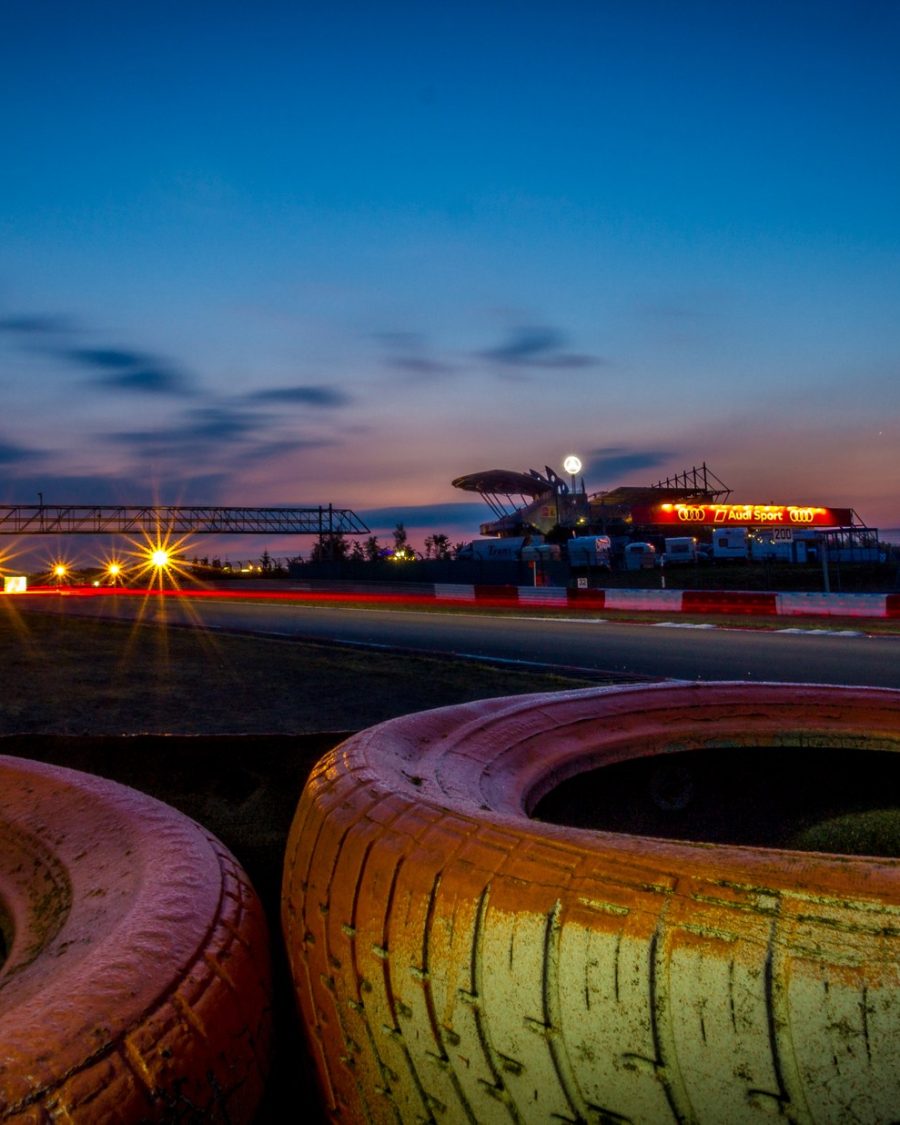 Movie · 2024
Vermilion Circuit
A street-racing film animated to the actual physics of the cars, not the genre's usual exaggeration.
Movie · 2024
Vermilion Circuit
A street-racing film animated to the actual physics of the cars, not the genre's usual exaggeration.
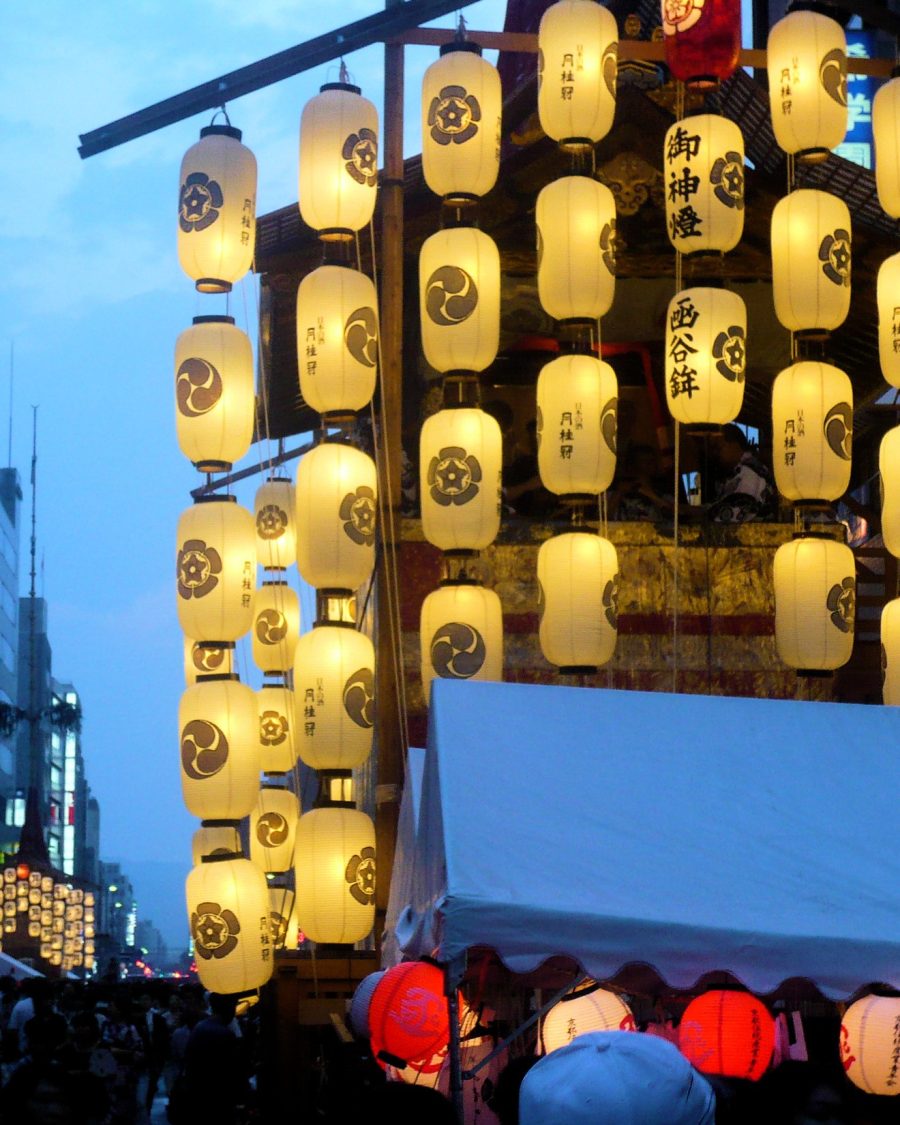 Short · 2022
Paper Lantern Parade
A single unbroken evening at a summer festival, told without a word of dialogue.
Short · 2022
Paper Lantern Parade
A single unbroken evening at a summer festival, told without a word of dialogue.
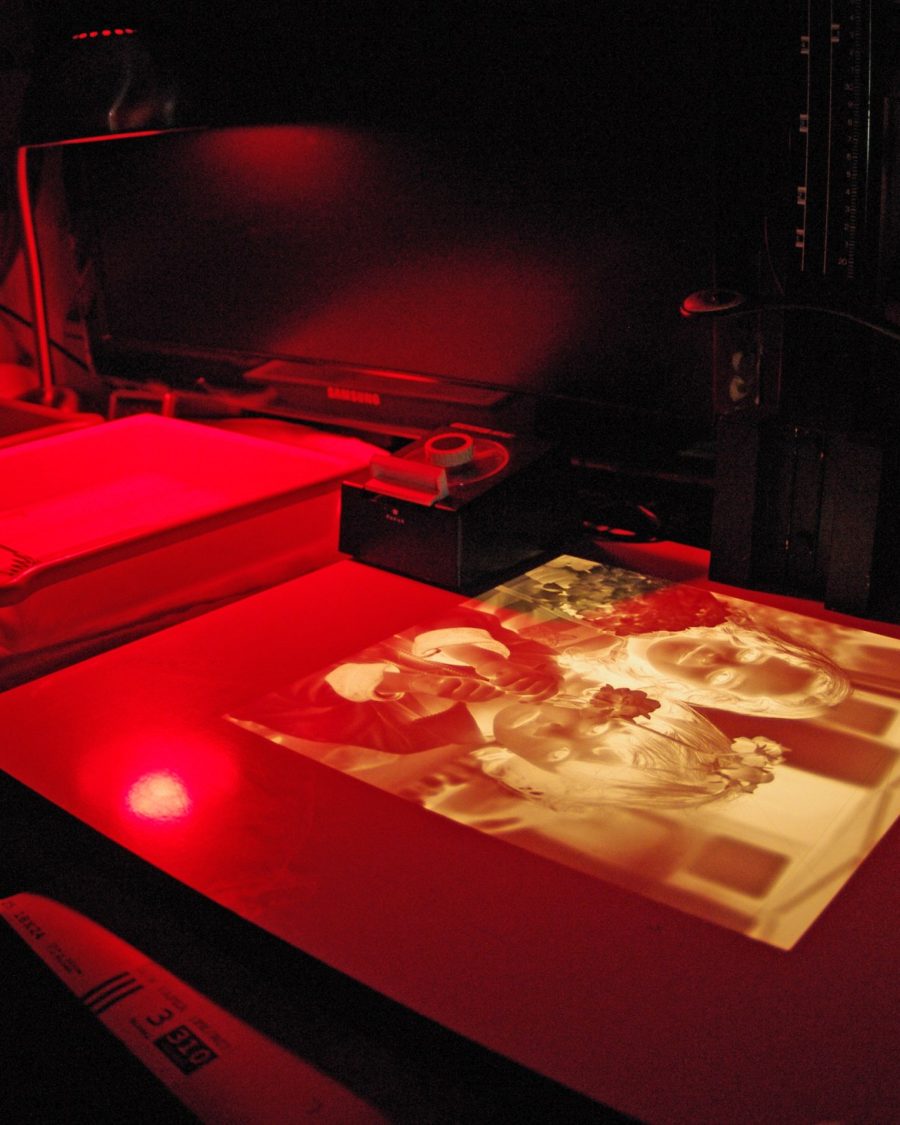 OVA · 2023
Nine Static Frames
A photographer who can only see nine seconds into anyone's future — always as a single…
OVA · 2023
Nine Static Frames
A photographer who can only see nine seconds into anyone's future — always as a single…
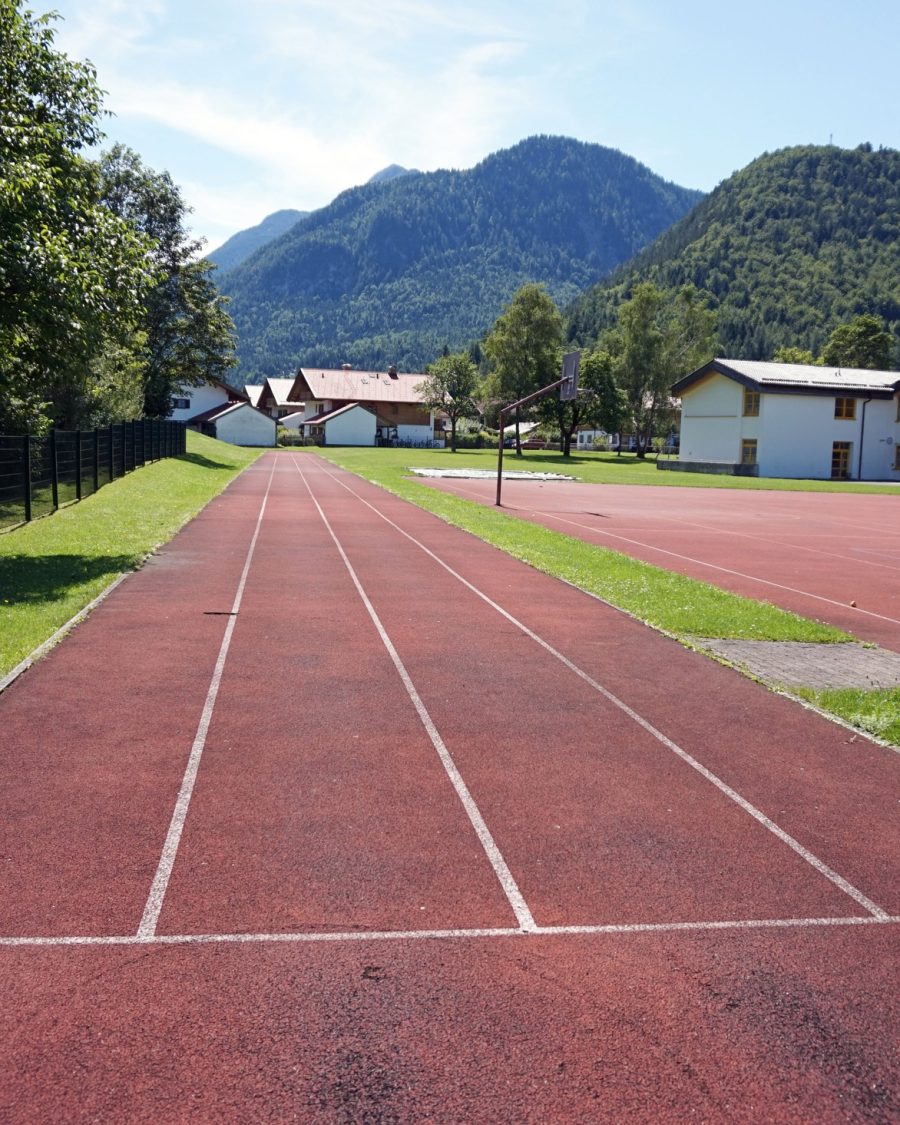 TV Series · 2019
Recess Bell
A track and field club with exactly enough members to field one relay team.
TV Series · 2019
Recess Bell
A track and field club with exactly enough members to field one relay team.
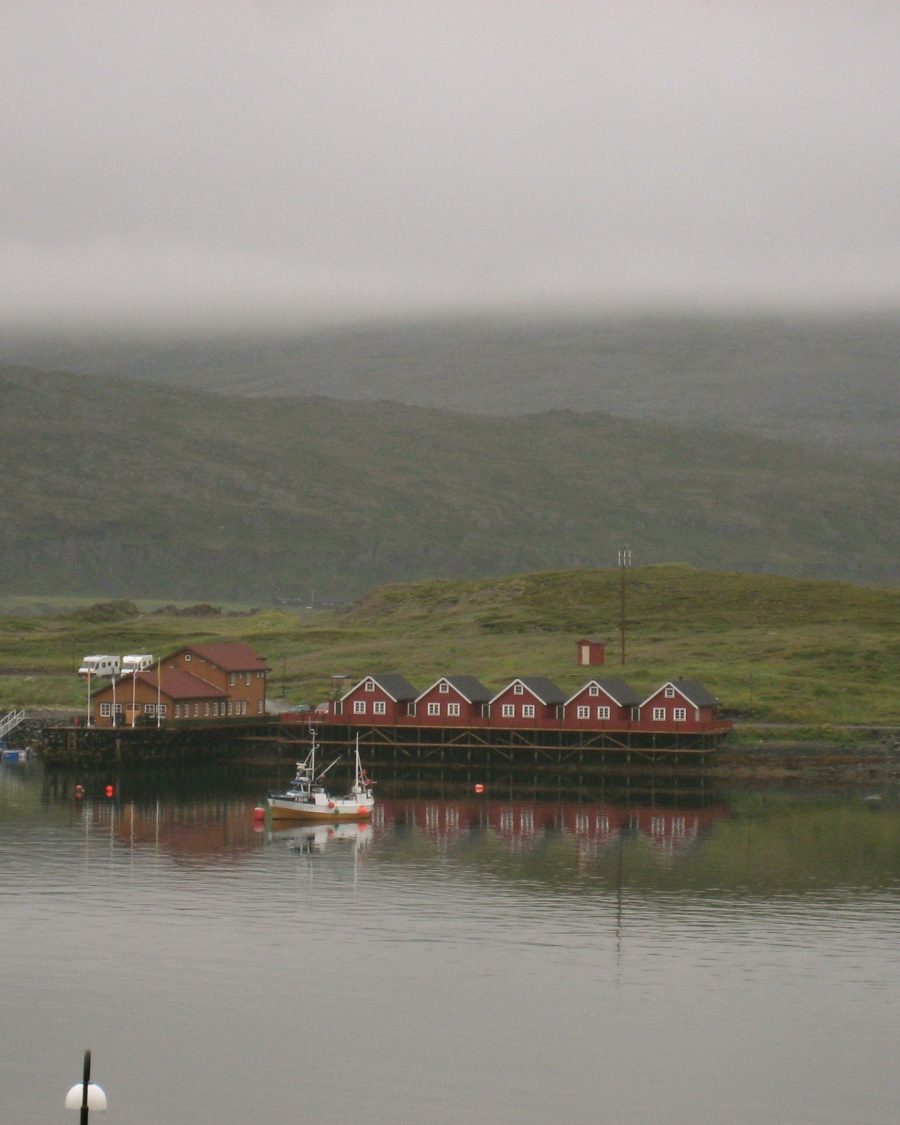 TV Series · 2020
Undertow
A detective drama that spends more time on tide tables than on chase scenes.
TV Series · 2020
Undertow
A detective drama that spends more time on tide tables than on chase scenes.
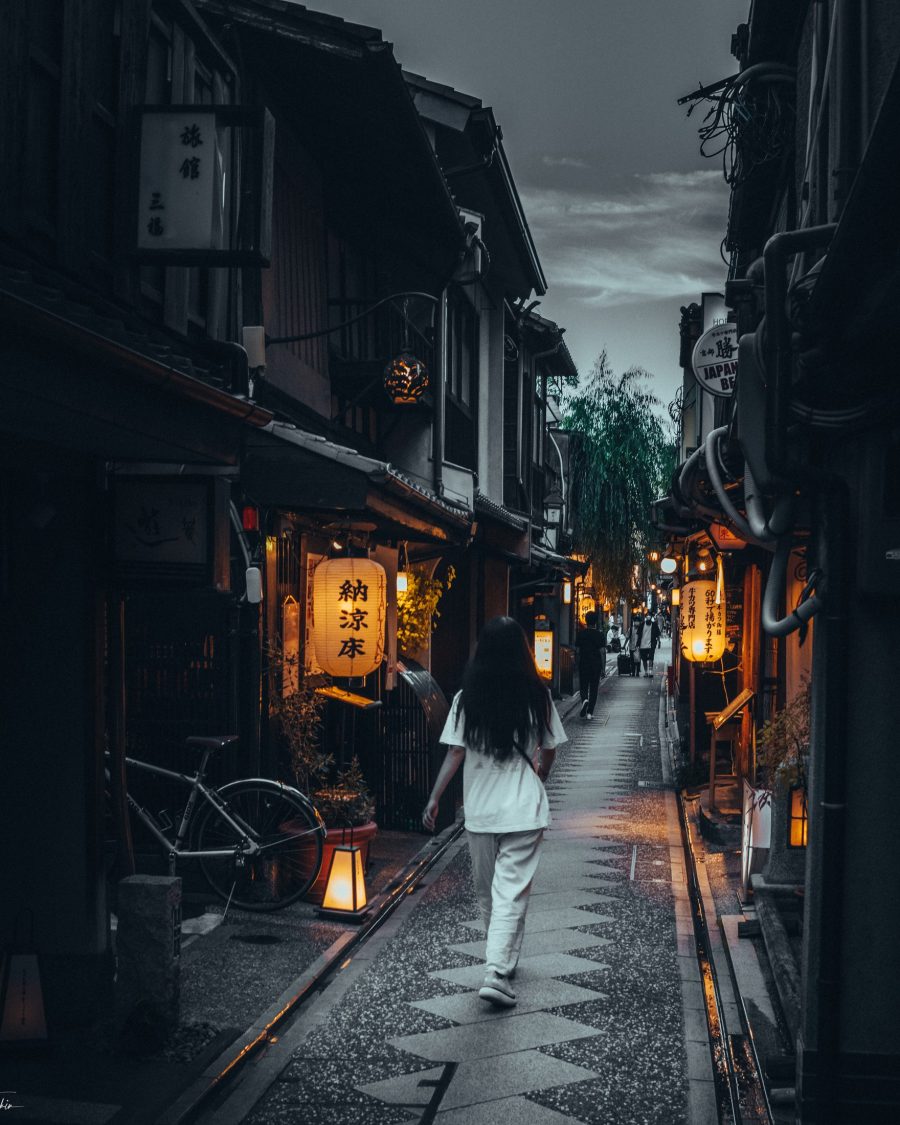 Movie · 2023
Kitsune no Machi
A town where half the residents are foxes wearing human shape, and everyone has agreed not…
Movie · 2023
Kitsune no Machi
A town where half the residents are foxes wearing human shape, and everyone has agreed not…
On ones, twos, threes
A real 24fps hold clockEvery drawing in a broadcast production is timed against the same 24-frame-per-second clock. The only real question per cut is how many of those frames each drawing is held for — the three lanes below run off one shared clock right now, each holding at its own rate, so the difference is something you can actually see rather than take on faith.
A small studio, not a franchise.
A small studio, not a franchise — Sakuga takes on a handful of productions a year rather than running multiple pipelines at once.
Storyboard to broadcast
Seven real stagesGenga to douga
A real inbetween interpolationTwo key poses, four real inbetweens computed between them by linear interpolation of every joint — the same arithmetic an inbetween animator's tie-down does by hand. Drag the slider from genga A to genga B.
The two faint ghosted poses are the genga — the key animator's extremes. Everything the slider passes through in between is real douga: interpolated, not hand-drawn for this demo, but computed by the exact method a tie-down artist follows.
From the journal
Notes on the craft
Let's talk about a production.
Production enquiries and studio visits, by appointment.